You’re not chasing trends. You’re here to feel better and keep moving forward. At REKOOP FLEX, recovery fits your life, not someone else’s version of it.
Training for a marathon or just powering through a Monday? We’ve got your back.
The tools are here. The space is yours. The pace? That’s completely up to you.
The People We Serve
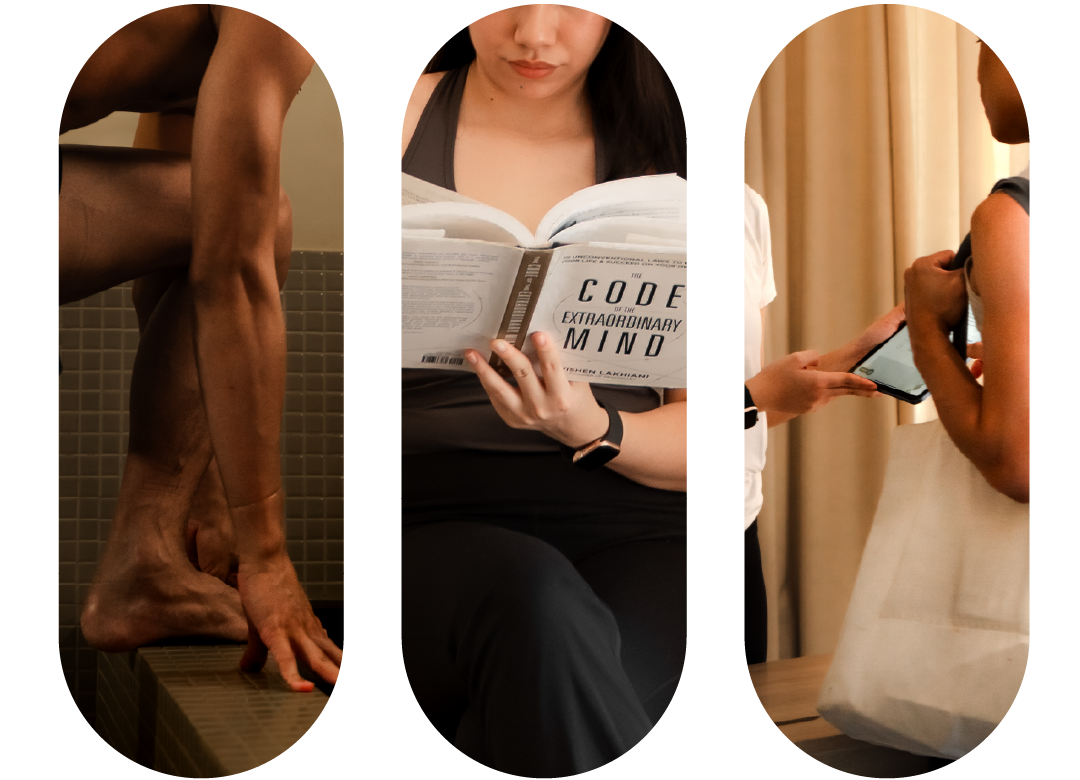
Athletes. Executives. Parents. Creatives. Anyone. Everyone. REKOOP FLEX is for anyone whose performance depends on how well they recharge.
No pressure to be perfect. No expectation to perform. Just smart recovery, when you need it.
If you’re driven, drained, or somewhere in between, this is your space to rebalance. Any day of the week.
Our Promise: A Sanctuary, Anytime
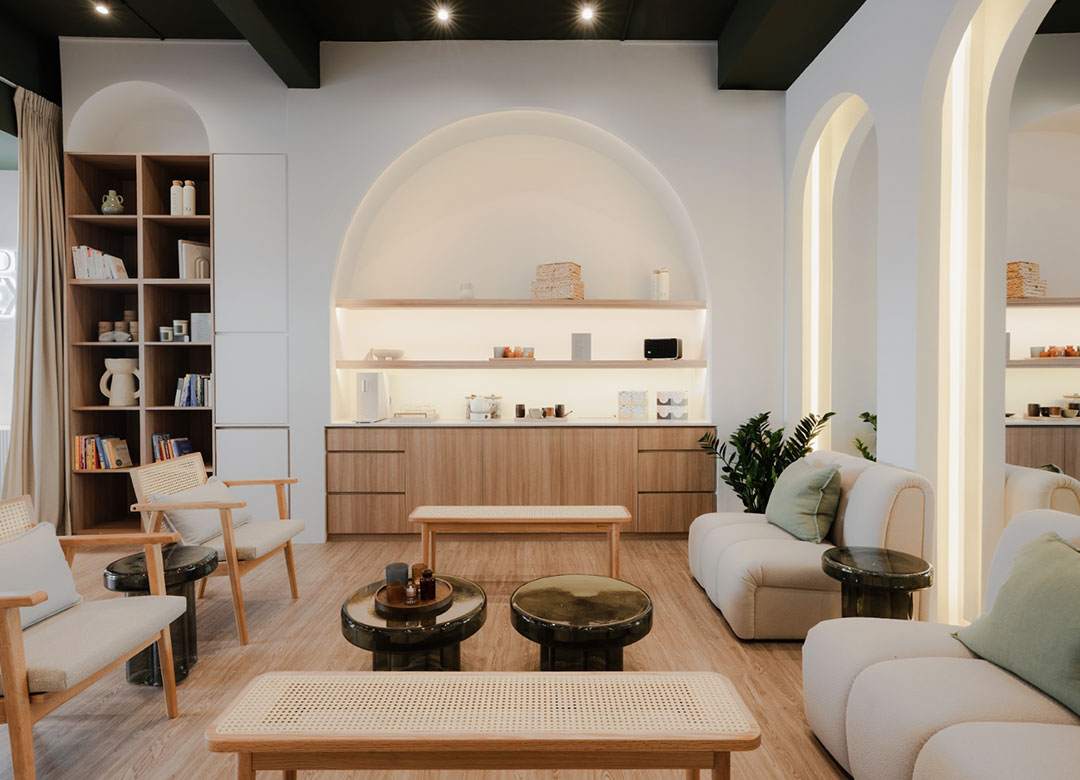
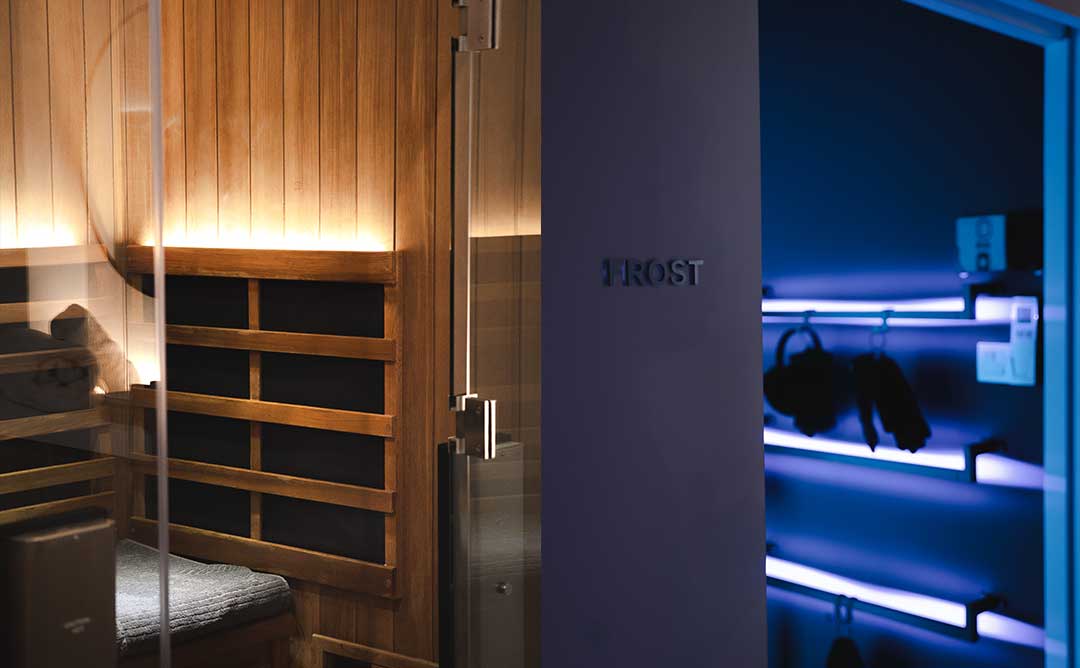
Private. Quiet. Expert-led. REKOOP FLEX is recovery without the noise.
No crowds. No pressure to engage. Simply a pure, calming space to switch off and recharge.
Come in. Close the door. Breathe. Restore.
It’s not indulgent. It’s essential.
Flexible Access, Real Results
Drop in when you need to, or create a regular routine. Packages and options are tailored to you.
Our flexible approach is designed to fit your lifestyle.
Maximum results. Minimal fuss. Every day of the week.
Our Blog
Recovery for People Who Don’t Have Time
One of the biggest misconceptions about wellness is that it requires time. Long routines. Structured schedules. Hours set aside for self-care.
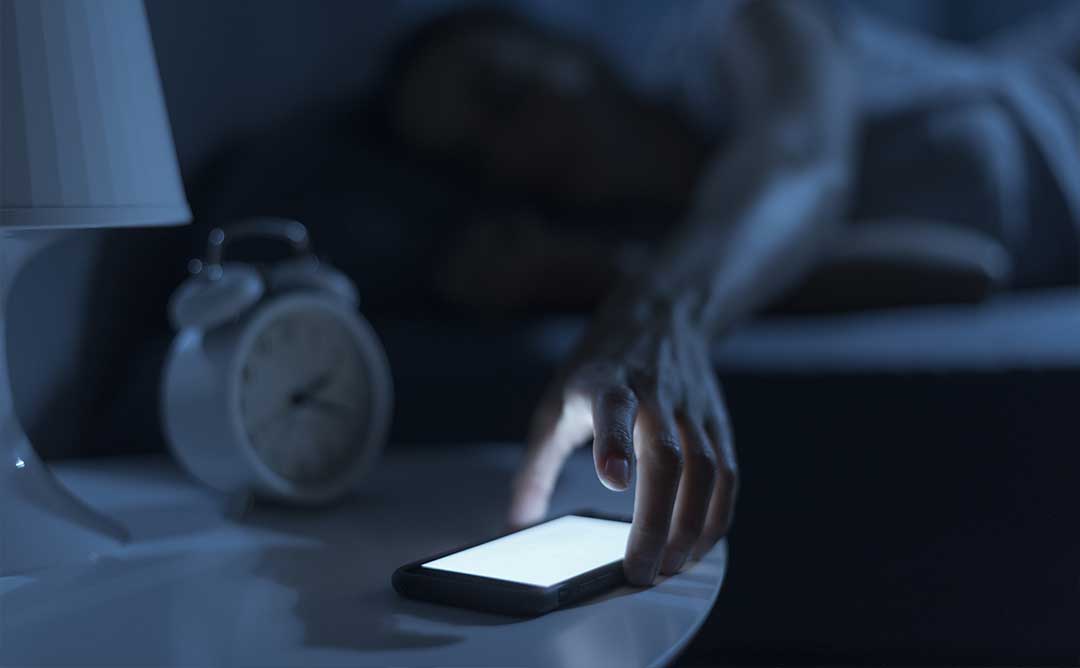
It’s a strange feeling. You’re exhausted, but your mind won’t switch off. You’re running on empty, yet still restless. This is what many people describe as being “wired but tired.”
You don’t need hours to feel better. In many cases, 30 minutes is enough to shift how your body feels. The key is choosing the right combination of therapies.
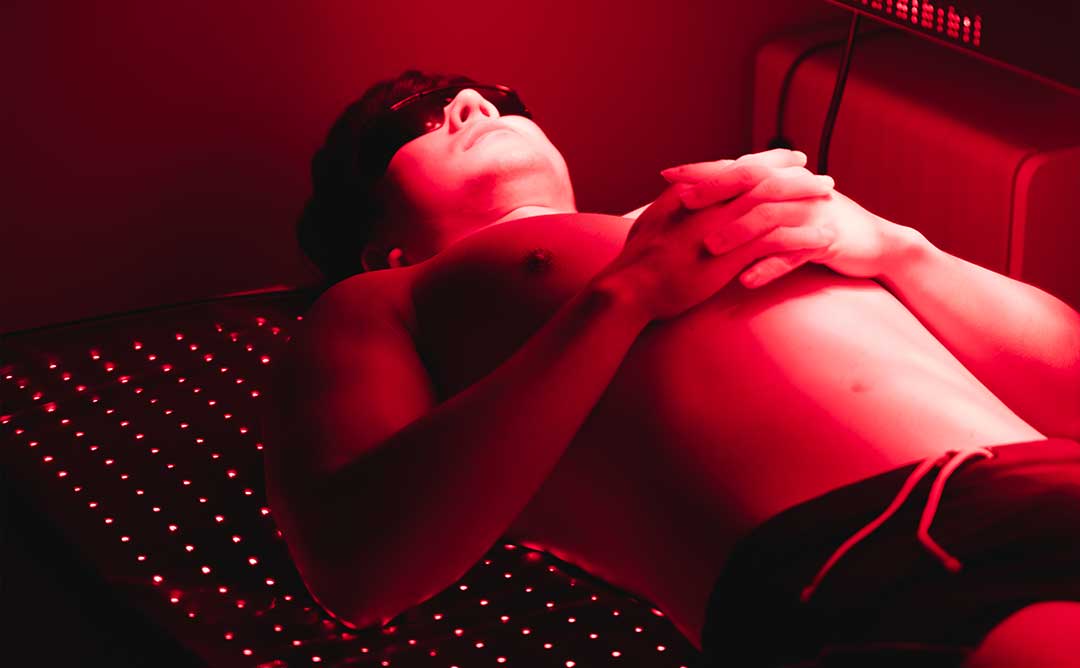
Red light therapy is one of the simplest treatments to use, but one of the most impactful over time. It works at the cellular level, supporting how your body produces and uses energy.
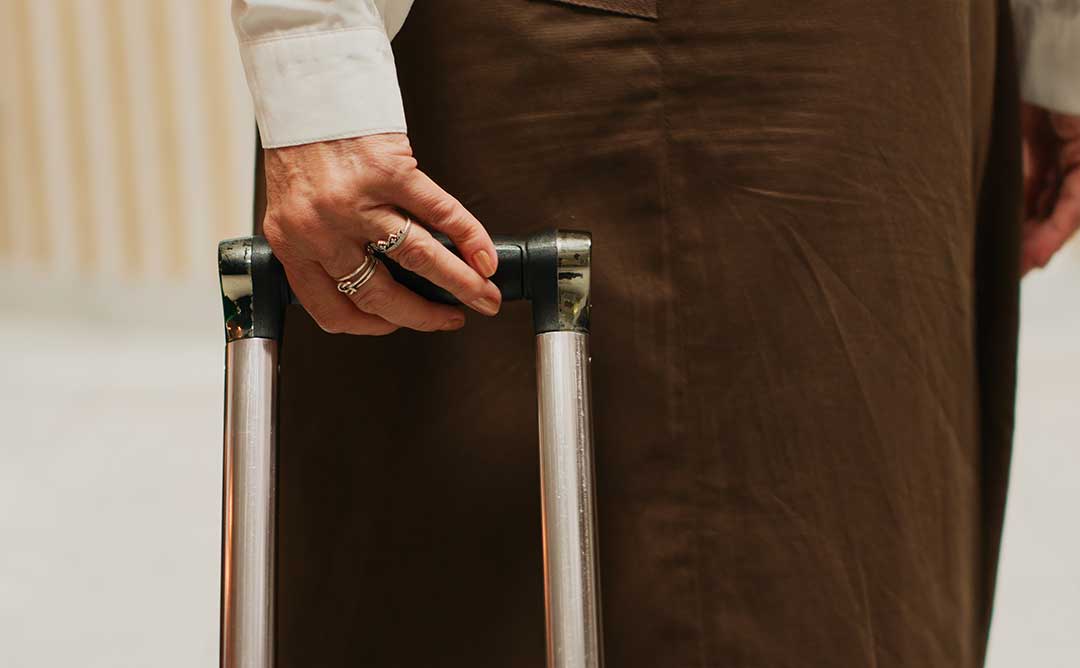
Travel can be exciting, productive, and inspiring. It can also be exhausting. Long flights disrupt sleep, slow circulation, and leave the body feeling stiff, dehydrated, and out of rhythm. Crossing time zones adds another challenge as the body struggles to recalibrate its internal clock.